
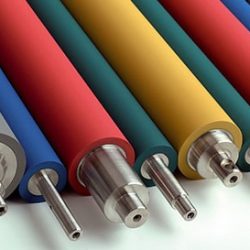
The choice between polyurethane rubber and natural rubber can affect your production efficiency and bottom line. Synthetic materials make up about two-thirds of global rubber production. Natural sources account for just one-third, which shows how engineered solutions have become popular in industrial settings.
Manufacturing plants face a vital decision between polyurethane and rubber materials. Rubber does a great job absorbing vibrations and works well in anti-vibration solutions. However, polyurethane rubber material properties give better results in many industrial uses. Your equipment or vehicle will likely last longer with polyurethane, especially under constant stretching or stress conditions.
Polyurethane stands out with its resistance to molds, mildew, and rot. This makes it perfect for outdoor and harsh environments. On top of that, it handles heavier loads, compresses better, and resists wear exceptionally well. The material stays flexible with a wider hardness range (10 Shore A to 80 Shore D) compared to rubber’s limited range (30 Shore A to 90 Shore A).
Your choice between these materials goes beyond picking a simple component. The decision shapes your maintenance schedules, downtime, and operational costs. Urethane components last longer than rubber parts that need frequent replacements. This piece breaks down how leading manufacturing plants pick between these materials to help you select the best option for your needs.
These materials show their basic differences at the molecular level. Polyurethane rubber has organic units connected by carbamate (urethane) links. Manufacturers create it by making polymeric isocyanates react with polyols. This chemical structure lets them fine-tune its properties for specific industrial needs.
You can adjust polyurethane’s molecular structure, which makes it incredibly versatile. A manufacturer explains, “Polyurethane’s mechanical properties can be isolated and manipulated through creative chemistry which creates a number of unique opportunities to solve problems with performance characteristics unequaled in any other material”. Soft, elastic polymers come from long, flexible segments, while tougher, more rigid materials result from higher crosslinking.
Rubber comes in two forms – natural and synthetic. Natural rubber comes from latex that farmers harvest from the Hevea brasiliensis tree. It mostly contains isoprene (2-methyl-1,3-butadiene) with double bonds in Z configuration that give it elasticity. Synthetic rubber makes up about two-thirds of global rubber production and comes from petroleum byproducts.
Polyurethane’s hardness range is much broader (10 Shore A to 80 Shore D) than rubber’s limited range (30 Shore A to 90 Shore A). This flexibility lets manufacturers create products that can be either soft and flexible or rigid and tough based on what’s needed.
Both materials stretch well, but polyurethane handles repeated stretching cycles better because of its carbamate links. It also resists abrasion, tears, and impacts better, which makes it ideal for tough industrial settings.
Natural rubber has its own strengths. It resists tears well, dampens vibrations effectively, and bonds strongly with steel cord – perfect for tire manufacturing. The material also sticks better to itself and other materials.
Temperature affects these materials differently. Polyurethane keeps its properties across wider temperature ranges. Rubber might become brittle when it’s cold or break down faster in high temperatures.
Manufacturing plants just need to carefully review how materials perform under daily stress in tough conditions. Polyurethane rubber beats standard rubber in abrasion resistance and lasts 5-10 times longer in severe abrasion conditions. This amazing durability makes it the best choice for parts that face continuous wear.
Polyurethane shows excellent resistance to mineral oils, hydrocarbons, greases, petroleum products, and specific solvents. It provides substantially better protection against environmental damage than regular rubber. The material also fights off oxygen and ozone exposure that usually makes rubber crack and break down over time.
Some polyurethane rubber temperature formulations stay flexible in Arctic-like conditions and can handle temperatures up to 250° Fahrenheit. This versatility lets manufacturers use polyurethane in projects with extreme temperature swings without losing performance.
Industrial environments create two main types of abrasion challenges:
Polyurethane shows excellent performance in both cases, especially as it gets harder. Lab tests prove that polyurethane can last up to 8 times longer than standard rubber and plastics.
The polyurethane bushings vs rubber comparison shows clear benefits for manufacturing. Polyurethane carries higher loads, handles compression better, and resists greases and oils more effectively. These features help industrial machinery last longer and need less maintenance.
Polyurethane stands out in wet conditions because it doesn’t rot like rubber. This resistance to breakdown, combined with great sound dampening properties, makes polyurethane rubber the top choice for manufacturing plants that want durability and noise reduction.
The choice between polyurethane and rubber ended up depending on your manufacturing needs and operating conditions. Most manufacturing plants choose polyurethane when they need better abrasion resistance, higher load-bearing capacity, and chemical resilience.
Manufacturing plants commonly use polyurethane in electric lift trucks that run indoors on smooth concrete floors. Its load capacity works better than rubber in these conditions. Rubber remains the top choice for propane and internal combustion lift trucks that work both inside and outside. It gives a softer ride and better traction.
Polyurethane shows amazing flexibility in manufacturing settings of all types:
The difference becomes really clear in bushing applications. Rubber bushings do a better job dampening vibrations and reducing noise. They’re perfect where comfort matters most. But polyurethane bushings give you better control, precision, and durability. These qualities make them ideal for manufacturing equipment in tough environments.
Polyurethane parts last 5 to 10 times longer than rubber ones in harsh abrasion conditions. This impressive lifespan advantage makes up for polyurethane’s original higher cost through less maintenance and downtime.
Polyurethane’s resistance to water, saltwater, and UV radiation makes it perfect for marine or offshore uses like cable protectors, fenders, and shock-absorbing pads. On top of that, it seals extremely well, which works great for custom gaskets in hydraulic and pneumatic systems that need to resist oils and chemicals.
Manufacturing environments that need longer-lasting parts, less frequent maintenance, and resistance to harsh chemicals usually go with polyurethane, even with its higher upfront cost.
| Characteristic | Polyurethane | Rubber |
| Hardness Range | 10 Shore “00” to 70 Shore “D” | 30 Shore A to 90 Shore A |
| Environmental Resistance | Fights off molds, mildew, rot | Breaks down more easily in environment |
| Chemical Resistance | Stands up well to oils, hydrocarbons, greases | Shows limited resistance to chemicals |
| Durability | Lasts 5-10 times longer under severe abrasion | Wears out faster and needs replacement often |
| Best Manufacturing Applications | – Electric lift trucks (indoor use) – Conveyor systems – Chutes and hoppers – Custom gaskets |
– Propane/combustion lift trucks – Vibration dampening – Tire manufacturing – Anti-vibration solutions |
| Load-bearing Capacity | Higher | Lower |
| Vibration Absorption | Good | Excellent |
| Maintenance Requirements | Needs less upkeep | Requires frequent maintenance |
| Environmental Conditions | Handles extreme environments well | Struggles in harsh conditions |
| Cost Consideration | Higher original cost, better value over time | Lower upfront cost, pricier to maintain |
A full picture of both materials shows that your specific manufacturing needs will determine the choice between polyurethane and rubber. Polyurethane stands out with advantages in extreme durability, chemical resistance, and versatility. The higher upfront cost of polyurethane pays off through lower maintenance and longer component life.
Rubber still shines in some significant areas. Natural rubber’s mechanical strength makes it perfect for traditional uses like automotive engine mounts. It also remains the top pick when you need better vibration dampening, comfort, and higher yield pressure in compression.
Your manufacturing facility’s environment should shape your material choice. Polyurethane handles harsh chemicals and extreme temperatures without breaking down, while rubber might perform better under specific mechanical loads. Smart decisions balance current costs with durability needs.
Polyurethane’s exceptional NVH characteristics and resistance to abrasion make it a great fit for electric vehicle parts and high-wear industrial settings. Rubber continues to lead in applications where comfort and traditional mechanical properties matter most.
Not sure which material fits your manufacturing needs? Speaking with specialists will help you understand your options. We suggest you contact AMES Direct for expert advice tailored to your industrial applications.
The material you pick should come from knowing these basic differences. This knowledge helps you make smart choices that improve performance and stay budget-friendly. The right choice ended up boosting productivity, cutting downtime, and giving your manufacturing operation a competitive edge.
